As much as wish I could I could sometimes, I just don’t have the time to follow my patients around throughout their day to observe how they navigate their typical environment. If I did, I could remind them to fix their body positioning every time a bad habit rears it’s head.
No more slouching! No more leaning and limping due to soreness and tightness!
Wouldn’t that be great?
But even if I could be the little voice that reminds everyone to take care of themselves throughout the day in case they forget, there are things I wouldn’t be able to see from the outside that might still be causing problems for them.
Welcome to Topic Thursday, where we dive into something specific relating to health, wealth, or life in general. Today, we’re going to talk more about the importance of strength and stability in the pelvic floor muscles.
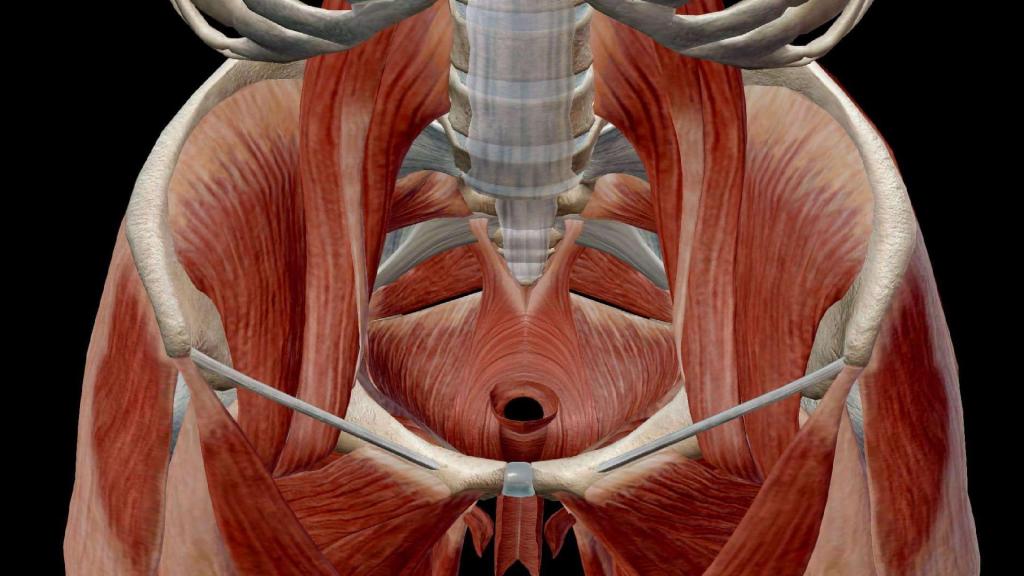
Pelvic floor muscles are hidden deep within the center of the body. They help the surrounding organs carry out waste passage and sexual functions. Pelvic floor muscles also play a role in the stabilization of organs and the skeletal structures that connect to the pelvic bone.
How To Know If You Suffer From Pelvic Floor Muscle Dysfunction
We often associate healthiness with external appearance. There’s a good reason for this. Usually, the first indicator I use when assessing a patient’s health is their appearance. Are they slouching? Are they limping? Do they habitually stand and sit with bad posture?
Although many of these visual cues are helpful in determining how much help a person might need in physical therapy, there’s really only so much we can tell from observing a person at rest.
I can’t exactly see the actual muscles of the pelvic floor of any of my patients, but I don’t really have to in order to find and fix a problem there.
Here are 3 common symptoms of pelvic floor dysfunction in women.
Pelvic Floor Dysfunction Symptoms In Women
Women are uniquely vulnerable to many of the problems caused by pelvic floor dysfunction. Although the pelvic floor muscles of men can also have problems, the possibilities are much lower that men would have the same types of complications that women stand to face throughout their lives.
Leaking Urine
Pelvic floor muscle function plays a crucial role in urination and defecation. Pelvic floor dysfunction can cause incontinence during certain activities. While resting, standing or sitting, there may be no symptoms; but if you’ve ever coughed, laughed, or sneezed – and peed a little – this could be a sign of pelvic floor muscle weakness or dysfunction.
Even physical exertion can exacerbate incontinence caused by pelvic floor muscle dysfunction. Going upstairs, running, or standing from a seated or squatting position all require stabilization of the core internally. But along with securing the organs in place, the pelvic floor muscles also have to simultaneously remain under appropriate tension to keep the sphincters wrapped around the urethra and anus.
If these muscles fail through exhaustion, atrophy, or some other condition, there could be resulting discomfort, pain, or incontinence. If it only happened once, it might not matter as much.
But if you experience urine leakage throughout your daily life, it could cause you to make different decisions throughout the day.
Reduced Sensation
Although sexual intercourse has obvious biological incentives, there are also the added benefits; it’s supposed to feel great! Aside from the enjoyment of it, sex also plays a significant role in bonding between partners. It’s hard not to have good feelings around someone that makes you feel so good, isn’t it?
But along with many other bodily functions that take place throughout the pelvis, the function of sexual organs in men and women also depend on the function of the pelvic floor muscles. Weak or damaged pelvic floor muscles can actually lead to sexual dysfunction in both men and women.
Reduced sexual sensation and pleasure doesn’t give the same incentives to keep being intimate. For some people who really need help with it, the symptoms can get pretty bad.
Painful sex caused by pelvic floor dysfunction can completely turn a partner off to the experience altogether and change the dynamic of an otherwise thriving relationship.
Recurring UTIs
Urinary tract infections are painful and uncomfortable. They effect the urethra and bladder, which directly interact with the pelvic floor muscle sphincters.
Many things can cause urinary tract infections, so at times it can be difficult to nail down the specific culprit. If you’re already suffering from other symptoms of pelvic floor dysfunction, there’s a possibility that could be the cause of your stubborn, recurring urinary tract infections.
Causes of Pelvic Floor Dysfunction
Pregnancy
The pelvic floor muscles are important to stabilizing the organs atop the pelvic bone. When it’s unimpeded, deep breaths come easy and waste passes without strain. But when there’s a significant load added on top of the pelvic floor muscles, it could mean that this muscle often gets over-exerted throughout pregnancy and childbirth.
After childbirth, new mothers should consider physical therapy to rehabilitate the pelvic floor muscles and get back to their healthiest selves.
Coughing
Coughing involves more than just our lungs. If you’ve ever had a cough for a long time, then you know that a persistent cough can be painful and exhausting. It can keep you awake at night, keeping you tired and unable to recover your strength. It can cause damage to the throat, bronchial tubes, and lungs.
A long lasting cough can also completely exhaust your pelvic floor muscles over time, rendering them unable to carry out the other bodily functions as efficiently as needed. Even after you get over the cough, the damage to other parts of the body may still remain.
If you’ve been sick for a while with any respiratory illness that caused lots of coughing, consider physical therapy to help rehabilitate your pelvic floor muscles.
Obesity
Just as pregnancy and childbirth are temporary strains on an otherwise adequate muscle system, obesity throughout longer periods of time can cause bigger problems for the pelvic floor muscles. While a person’s skeletal muscles may become more acclimated to bearing more weight than the body can comfortably support otherwise, it’s very difficult to determine how well the internal muscles could handle this.
In most cases, obesity is a risk factor for pelvic floor muscle dysfunction.
Are you suffering from pelvic floor dysfunction symptoms that keep you from enjoying your life? Take back your control from the inside out and explore nonsurgical pelvic floor dysfunction treatments at Back2Health Physical Therapy. Contact my team to set up a 1-on-1 with me.
The time is now!
 Dr. Slava Shut
Leave a comment