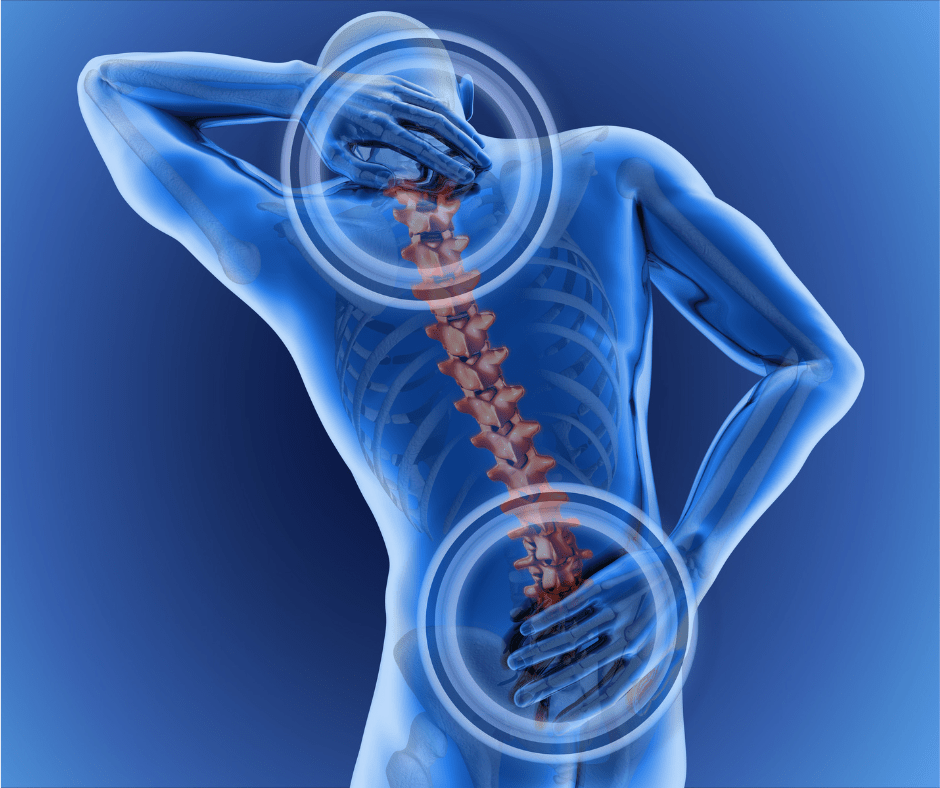
I work with so many people that are injured in my day to day that I can’t help but notice when a person out in public is suffering from something. Whether it’s a slight limp, or a wince when standing or sitting, I always wonder how it happened to them, whatever it was.
No matter how much I want to help everyone that suffers like that, I can’t just walk up to people on the street and start treating them. I don’t even think that’s legal. So instead, I just try to spread the word that I can help anyone who chooses to deal with their pain symptoms.
Welcome to Topic Thursday, where we discuss a specific topic regarding health, finance, business, or life in general. Today, we’re going to talk a little about how pain can effect your life, even if you think you’ve gotten used to it.
Types Of Pain
If you’ve been lucky enough to avoid illnesses and injuries for the most part so far, you might just as easily classify all types of pain altogether. But that’s not necessarily the best way to think about how we perceive pain. It’s easiest for some to think about all the different types of pain split into just two categories.
Acute pain and chronic pain are two distinct types of pain that require different approaches for treatment. Understanding the difference between the two is crucial for effective pain management, especially in the context of physical therapy.
From a patient’s perspective, of course, pain is an unwanted sensation, no matter if it’s sudden or sustained. Pain itself can distort our perceptions of things, so asking for descriptions of pain from the afflicted can actually be a little counterproductive at times. Not to mention frustrating.
From a doctor’s perspective, the underlying mechanisms and responses to treatment differ significantly, so distinguishing between acute and chronic pain is essential for developing appropriate treatment plans.
Let’s take a look at some of the differences.
Acute Pain
Acute pain typically comes on suddenly and through a more obvious catalyst, like injury or tissue damage. It is usually short-lived and serves as a warning signal for the body to address an underlying issue. A broken bone is an example of a catalyst for acute pain. When you break an arm, the arm hurts for as long as it’s broken ,or until it’s set. With plenty of rest, after it heals, the arm won’t hurt anymore.
Other examples of acute pain catalysts include touching a hot skillet, cutting your finger in the kitchen, or slamming your thumb in the door jam.
Chronic Pain
As opposed to the sudden, intense onset of acute pain, chronic pain persists over a longer period. Usually, chronic pain lasts beyond the expected time for tissue healing.This can be caused by various factors such as nerve damage or inflammation outside of any specific trauma.
Chronic pain might not sound as bad as acute pain, but don’t be confused. Chronic pain can be a horrible experience to live with. It can be constant or intermittent; it can be random, or only when you’re trying to sleep, for instance. It can even be associated with hypersensitivity to touch or movement signals.
It can affect you in ways you might take for granted if you’re never experienced chronic pain. Chronic pain can be caused by conditions such as arthritis, nerve damage, and fibromyalgia. If the symptoms are bad enough, it can change how you live your life.
Physical Therapy For Pain
Physical therapy can help individuals with chronic pain restore their body’s function, reduce discomfort, and improve mobility. If you’re dealing with one or all of these things on a daily basis, you’ll know that solving them would ultimately be enhancing your quality of life.
Non-surgical interventions for pain management like exercises you can do and manual therapy administered by a physical therapist are particularly attractive pain management options, due to the elimination of healing/recovery periods. Physical therapy is recovery.
Therapists use a variety of techniques such as stretching, balance training, joint manipulation, and massage therapy to address pain symptoms and improve overall function.
Physical therapy for chronic pain focuses on breaking the pain cycle through safe movements, strengthening exercises, and rewiring the brain’s response to pain signals. Therapists work to identify the source of pain and develop comprehensive treatment plans to improve function and reduce discomfort.
Are you or a loved one struggling with chronic or acute pain? Don’t suffer in silence, take control of your physical well-being. The results could be the start of the change in your life you’ve been looking for. Contact my team to set up a 1-on-1 with me today!
 Dr. Slava Shut
Leave a comment