Mobility is important for a number of reasons. The ability to seamlessly move your body throughout the range of motion of all your joints becomes more and more of an achievement the older we get. In our youth, our skin, muscles, and joint tissue are much more pliable and elastic.
As we age, our bodies harden into a more mature form. While structurally this can make our bones harder and our muscles potentially bigger, the older we get the more important it is to prioritize flexibility and range of motion.
Welcome to Topic Tuesday, where we discuss something specific related to business, finance, or life in general. Today, we’re going to discuss a treatment for pain and nerve disease called neuromobilization.
What Is Neuromobilization?
Neuromobilization is a physical therapy treatment that helps patients resolve certain pain and mobility issues. It’s especially helpful to some people who experience pain, numbness, or weakness in a limb due to nerve compression. Neuromobilization therapy involves a licensed physical therapist assisting a patient to reach certain positions and poses. The body is manipulated into positions that have been found to help release tension along the nerve.
If you’re experiencing pain, tingling, or numbness, neurodynamic mobilization techniques could be the answer you’re looking for. A personalized physical therapy treatment plan that includes neuromobilization can help eliminate symptoms like these.
Outside of helping you remain nimble and mobile, neuromobilization can help you by actually relieving pain. If you’re suffering from symptoms of nerve compression, what’s likely happening is that your pain originates in multiple places. I’ve had patients who have had pain in their wrists and shoulder, but barely noticed the wrist pain until we did something about their shoulder pain.
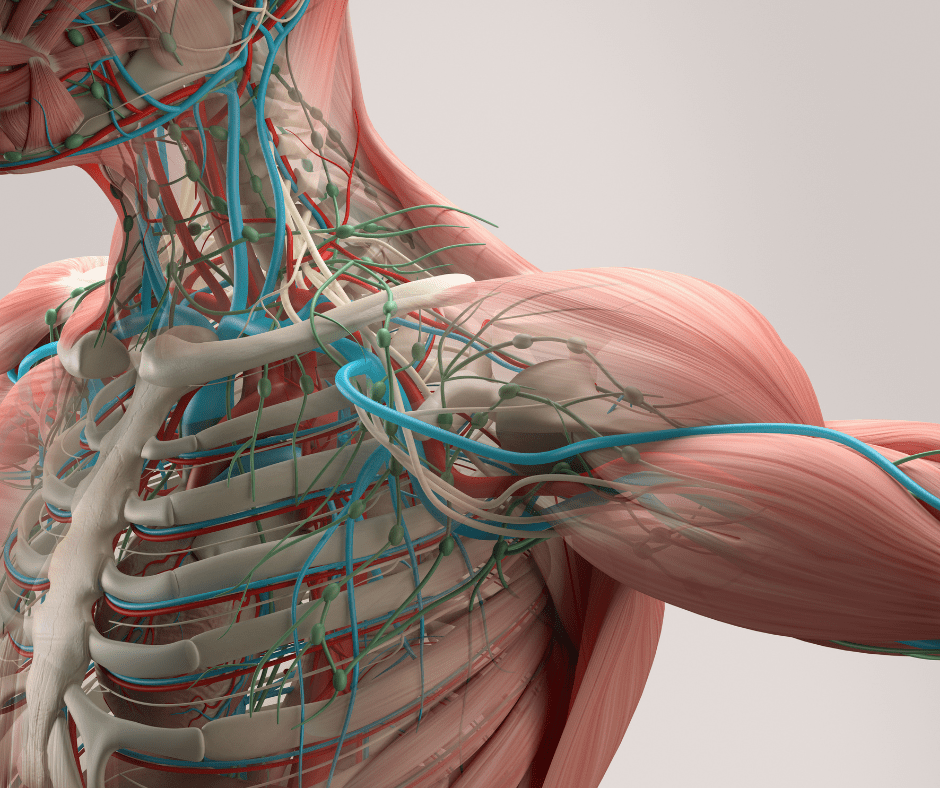
The reason this is so common is because of the way our bodies work. Our central nervous system is a column of nerves that carry electrical signals from our brains to the rest of the body. Some of these nerves are responsible for facilitating movement, and others are to carry sensation. Every time you feel something touching you somewhere, it’s because of this network of nerves hidden in your body, carrying the message to your brain.
If there’s an area along this network that becomes damaged, kinked, or pinched, it could have extremely uncomfortable effects. The location of the problem might not even be where the pain primarily manifests itself for the patient, either. Oftentimes, locating a problem along a neural pathway allows a trained physical therapist to find other local pain problems.
How Pain Changes Your Mindset
When you do something well, you expect there to be a reward. If you work hard in the gym, you see results. But Imagine if you worked out consistently, every day, with a tailored workout plan and a good diet, and you went backwards in your fitness goals. You would lose the incentive to keep going to the gym every day if it somehow made you extremely unhealthy.
In a similar way, we’ve all learned to avoid pain and discomfort. Touching a hot skillet is immediately and obviously dangerous. You don’t have to have it explained to you, and you never forget it if you’ve done it before. The pain, and more importantly, the memory of that pain, guides you to avoid doing what caused it. You might not avoid the kitchen altogether in the future, but you’ll probably be a little more conscious of what you do with your hands in there.
Recovery Of The Body And Spirit
I have had some patients that have gone from needing a wheelchair, to crutches, to eventually walking. For someone like this, the physical aspect of their recovery can have a big effect on their thinking about the injury. Regardless of the injury, the better recovery goes, the more the patient tends to believe that more recovery is possible.
If you’re dealing with a nagging injury, or just pain somewhere in your body, it might cause you to think differently about yourself. It’s harder to be confident in your ability to do things when you’re in pain. Even taking out the trash can feel like an impossible feat for anyone who has suffered a back injury, for instance. House chores are one thing, but discomfort in your body could cause you to miss out on some of the best moments in life.
Is there something keeping you from enjoying a pain-free life? Don’t let your nerve pain symptoms tie you down. Neuromobilization is a safe, non-invasive treatment. If you’re experiencing numbness, pain, weakness, or tingling, contact my team today and schedule a consultation with me.
 Dr. Slava Shut
Leave a comment